Image source: unknown
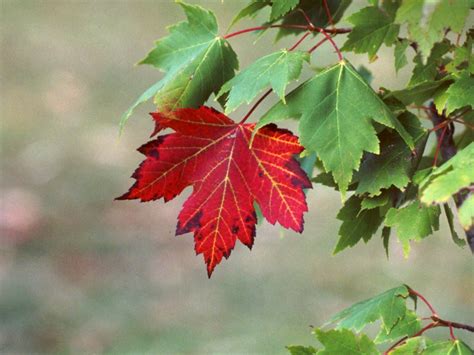
The Sugar Maple is an iconic Canadian tree best known for its vibrant red foliage in the fall.
- Scientific Name: Acer saccharum
- Common Uses: Ornamental tree, source of maple syrup production, hardwood for furniture and flooring
- Maximum Height: Up to 70-100 feet (21-30 meters)
- Maximum Spread: Around 40-70 feet (12-21 meters)
- Foliage Description: Distinctive, palmate leaves with five lobes, vibrant green in summer, turning shades of yellow, orange, and red in fall
- Flower and Fruit Description: Inconspicuous small flowers in early spring, followed by winged seeds called “samaras” or “helicopters”
- Bark Description: Smooth, grayish-brown bark on young trees, developing furrows and ridges with age
- Hardiness Zone: USDA hardiness zones 3 to 8
- Soil Preferences: Prefers well-drained, loamy soils but can adapt to various soil types
The Canadian Sugar Maple is renowned for its stunning autumn foliage, with leaves transforming into a brilliant display of red, orange, and yellow. It is also highly valued for its sweet sap, which is tapped and processed into maple syrup, making it an important part of Canadian culture and cuisine. The Sugar Maple’s strong and beautiful hardwood is used in various applications, from furniture-making to creating durable flooring materials.
The Canadian flag displays a stylized red maple leaf that is based upon the maple leaf in its fall stage. The sugar maple is also emblematic of one of Canada’s most famous products: maple syrup. It is a poorly kept secret that Canada maintains a strategic maple syrup reserve.
 The Wild
Leave a comment