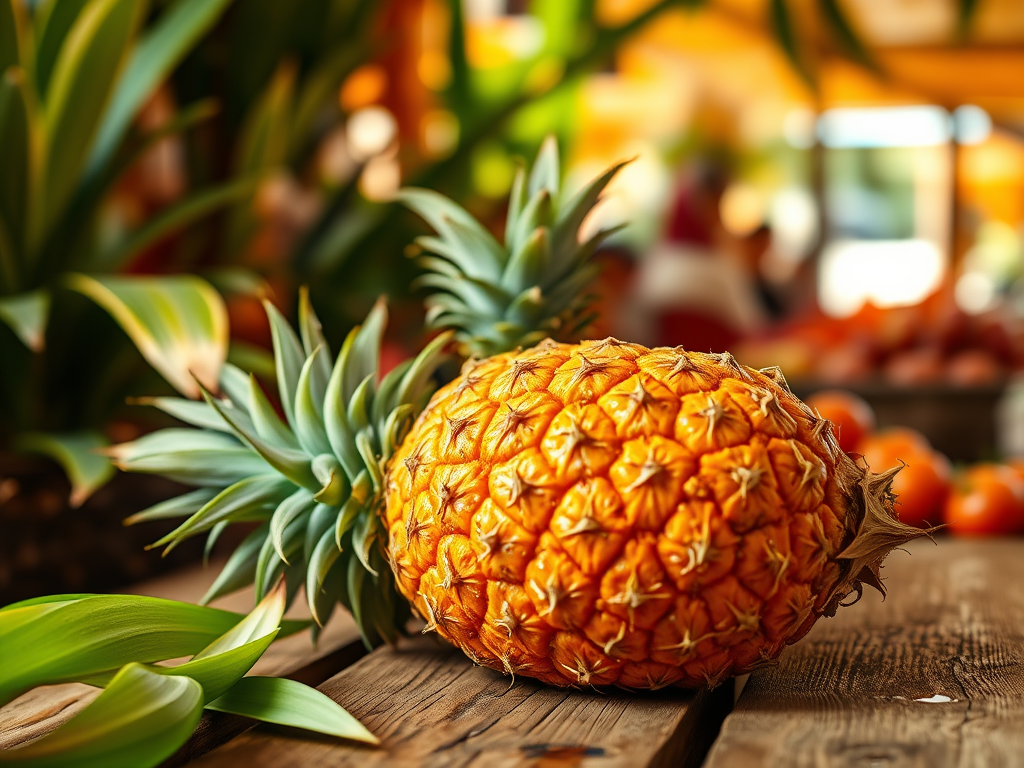
TLDR – Pineapple is a potent food for better health, but only if you get it at the source. There is a massive difference between picking the fruit green and shipping it to distant markets, and consuming locally produced sun ripened fruit. Scroll down for a description of health benefits, and how to get it when you travel (hint: don’t bother with supermarkets)
When I travel I generally choose destinations that are closer the the equatorial regions. There are several reasons for this, but primarily it is a way to escape the bitter cold of my homeland. Canada is a cold nation, but my province in particular is among the most inhospitable environments on the planet.
As anyone from a such environments will tell you, the choice to travel in the winter months is one of necessity. As we age the wear and tear on our bodies accumulates, and over time the winters go from uncomfortable to unbearable.
For me these winter escapes have become essential to my overall health and well being. In addition to the moderate temperatures, there is also increased access to healthful produce. I realize good fruit is not a top reason for most to travel, but we will get into that momentarily.
I have been in Bogota for almost six weeks as I work on a writing project. During that time I have rented an apartment, made a few friends, but mostly I just work and try to keep costs down. I guess that I technically fit the definition of a digital nomad, and I have found a thriving community of likeminded individuals here.
One of my pursuits while here has been the acquisition and enjoyment of local produce, and especially fruit. I know that this probably sounds less than exciting, but bear with me.
The first love I had upon arrival was papaya. Back home it is virtually impossible to get a good papaya, and that says nothing of the prices. In the first couple of weeks I was probably eating a couple pounds of papaya a day. I wanted more though.
I knew from previous experience in Central America that locally produced and naturally ripened pineapple was among the most delicious of foods. Unlike the unripe trash we get at home, a good pineapple tastes very much like cotton candy. The harsh acidity associated with picking the fruit while green is completely absent, and I can literally eat an entire pineapple with little or no trouble.
I was initially disappointed in the pineapple in Bogota. I went to several supermarkets, only to find the same green woody fruit that I would expect to see in Canada. After several failed attempts I more or less gave up. Then one day while passing a little shop in an alley a golden yellow glow caught my eye. Exited, i turned to investigate – and yes, there it was, a big sun ripened yellow pineapple. As i drew close the sweet smell of the fruit filled my nostrils, and I knew I had finally hit the jackpot.
I am sure that the little shop keeper overcharged me terribly, but I cared not. I had almost given up on my quest for the sweetest of fruits – La piña! I rushed back to my apartment and immediately set to work cutting it up into chunks. One bite and I knew the long search had been worth it. It was a smaller fruit, and I quickly finished it off.
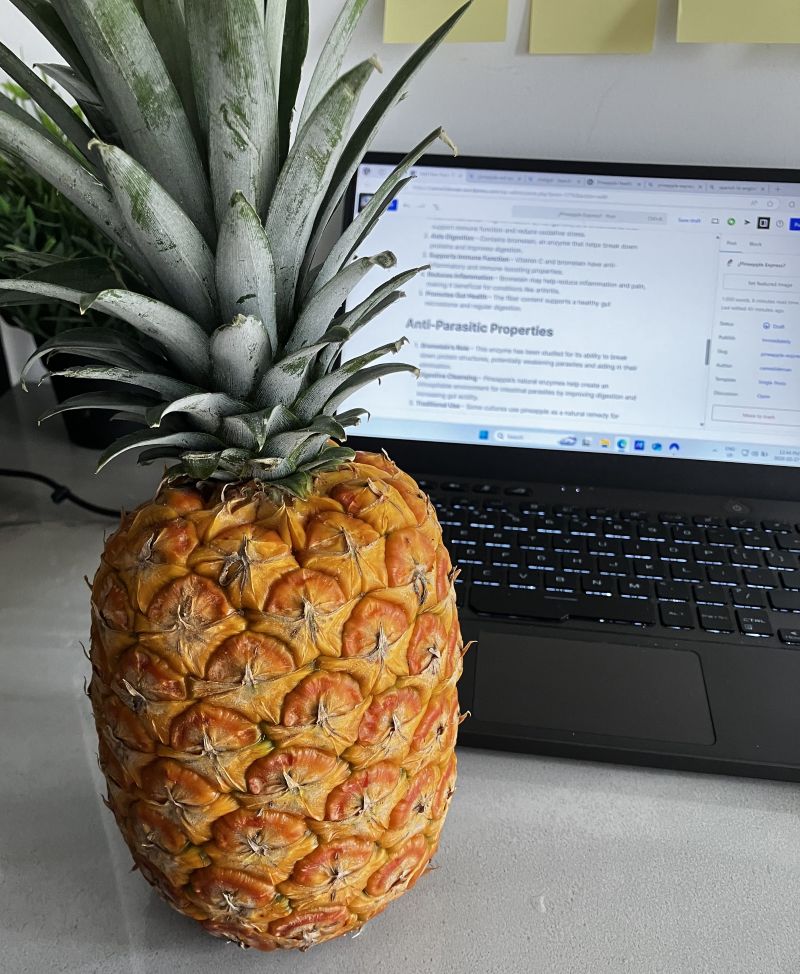
Since that day I have been consuming a pineapple a day. I do wish that I had figured out the secret to finding good fruit sooner, but I am happy none the less. Not only is this fruit delicious, it also carries some heavy hitting health benefits.
Health Benefits of Pineapple
- Rich in Nutrients – High in vitamin C, manganese, and antioxidants that support immune function and reduce oxidative stress.
- Aids Digestion – Contains bromelain, an enzyme that helps break down proteins and improves digestion.
- Supports Immune Function – Vitamin C and bromelain have anti-inflammatory and immune-boosting properties.
- Reduces Inflammation – Bromelain may help reduce inflammation and pain, making it beneficial for conditions like arthritis.
- Promotes Gut Health – The fiber content supports a healthy gut microbiome and regular digestion.
Anti-Parasitic Properties
- Bromelain’s Role – This enzyme has been studied for its ability to break down protein structures, potentially weakening parasites and aiding in their elimination.
- Digestive Cleansing – Pineapple’s natural enzymes help create an inhospitable environment for intestinal parasites by improving digestion and increasing gut acidity.
- Traditional Use – Some cultures use pineapple as a natural remedy for intestinal worms and other parasites.
- Synergistic Effects – When combined with a healthy diet, pineapple may support the body’s ability to expel parasites naturally.
Note: While pineapple can contribute to gut health and has potential anti-parasitic effects, it should not be relied upon as a sole treatment for parasitic infections.
It is also important to note that unripe pineapple is not an ideal food. Furthermore, most supermarket pineapples are picked green to make shipping easier, and to prolong shelf life. As such it is best avoided unless you plan to cook it.
The acidity in unripe pineapple is primarily caused by high levels of organic acids, mainly citric acid and malic acid. These acids give unripe pineapple its sour and sometimes harsh taste. Additionally, unripe pineapple contains oxalates, which can contribute to a sharp, irritating sensation in the mouth.
Another factor is bromelain, an enzyme found in pineapple that breaks down proteins. While bromelain itself is not an acid, it can cause a tingling or burning sensation, especially in unripe fruit where its concentration is higher. This enzyme can also irritate the mouth and throat, making unripe pineapple seem even more acidic and harsh.
As pineapple ripens, the acid content decreases while the sugar content increases, leading to a sweeter and milder taste.
With this in mind I will continue to eat as much pineapple as I possibly can. I have found that some days I need to hunt around a little. I have a couple of favorite shops, but on occasion they will be sold out or picked over. Fortunately the side streets of Chapinero have lots of small shops, and I almost always find the good stuff.
Stay Wild!
 The Wild
Leave a comment