TLDR
Cacao is good.
Xylitol… not so much?
The Backstory
In March of 2025 I engaged in some medical tourism, and had a full suite of tests done in a very nice medical facility in Colombia. The treatment I received was top notch – other than the results. Borderline diabetes, sub-clinical hypothyroidism, terrible cholesterol, and a few other minor issues including a small hernia. Afterwards the physician suggested I do a follow up in about four months time.
In late September of the same year I went in for the follow up. The results were just as poor as the original tests I had done in Colombia. In fact, they were slightly worse. The doctor wanted to start me on cholesterol and diabetes medication immediately, both of which I politely refused. Given that it was poorly researched medication that created many of my current health issues, I have an absolute moratorium on prescription medication. If I need something for acute care, fine. Other wise I would rather be dead than dependent on the pharmaceutical pushers.
What does this have to do with Xylitol?
After the grim results of the most recent tests I finally made a commitment to health again. In the past I have used fruit based diets and fasting to remediate and repair health issues. This time around I knew that my old standby (the 80/10/10 diet) was out due to an increased histamine sensitivity, and the lack of access to healthful and varied fruit in my home city.
Fasting, and low carbohydrate consumption is what I settled on. I reduced caloric intake, and quite rapidly lost almost 10 pounds. I began in late October, when the weather was still not terribly cold. Things went very well for about six weeks. Then winter really settled in.
One of the side effects of fasting is that it often results in lower body temperature. In addition to the cold associated with reduced caloric intake, there is the reality of winter weather. I have a decent amount of willpower, but wow are Canadian winters a test.
When the cold weather hit, I suddenly found myself looking for ways to keep warm. I needed to continue in a calorie deficit because of my other health challenges, but barring a trip south, I also needed some management strategies.
Hot drinks are one of my favorites during the cold winter months. Ginger tea, and coffee are my go to choices, but as I read more about blood flow and peripheral neuropathy I began to realize that caffeine might be aggravating my symptoms.
The thought of giving up coffee hurt my soul. Even after removing all the good stuff (cream, sugar) I still struggled with the idea of a life without coffee. I knew I needed to take a break from it, but I really wanted to replace it with something else.
Enter cacao.
Cacao (and Xylitol)
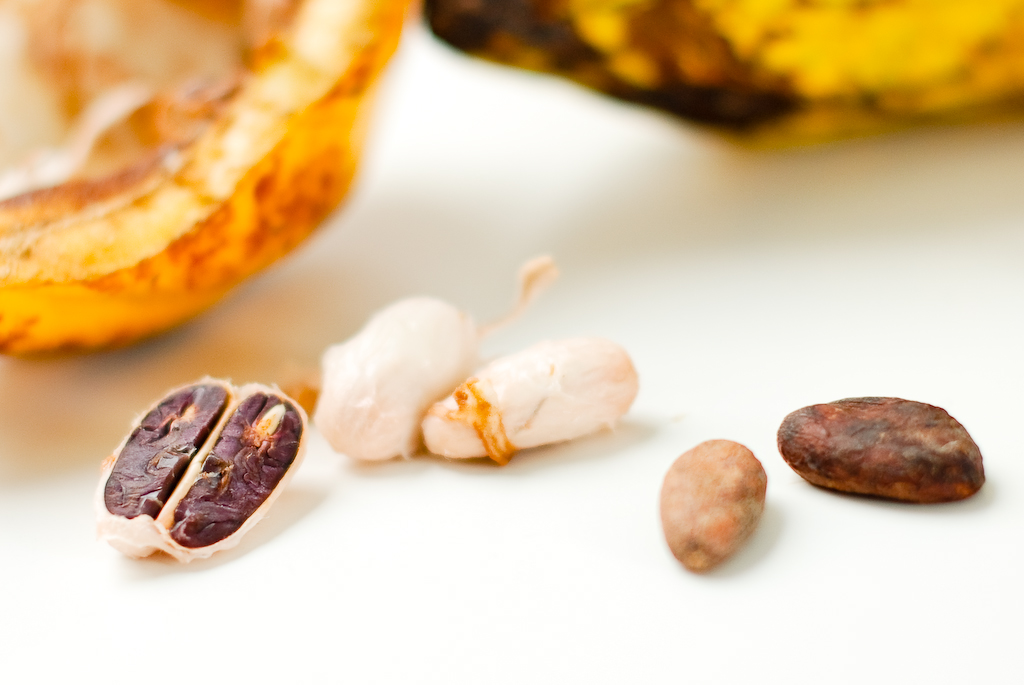
A great deal of information can be found on the health benefits of cacao. As always one needs to be careful. Not all cacao is the same, and ideally the best chance of a quality result comes from purchasing raw, organic cacao from a reputable brand.
The most common way of getting cacao into ones diet is through the preparation of hot chocolate – a fact that made it highly desirable to me in my sub-arctic home.
As a read more on the topic it seemed that hot chocolate (cacao) might be the perfect drink for my situtation. If done correctly it is hot, and can increase blood flow to the extremities – while benefiting overall cardiovascular health. I had but one problem – I wanted it to be sweet.
Enter xylitol.
Over the course of about a week I experimented with a few different versions of my hot chocolate recipe. I added different spices that I knew could create natural sweetness – mostly vanilla and cinnamon. I chose whole milk (I wont consume ultra-processed nut sludges) and sometimes added a dash of heavy cream. In the back of my cupboard I found a bag of xylitol and also integrated that to the mix.
What I created ended up being quite good. So good in fact that I began to drink it 2-3 times a day, while telling myself that what I was doing was healthy.
Back to reality
Somewhere deep down I knew that I was avoiding a close look at xylitol. Everything else on my hot chocolate recipe was well researched and from natural sources. Natural (not synthetic) vanilla, ceylon cinnamon, whole milk (organic Canadian dairy when available) and naturally sourced, organic and fair trade cacao. Then there was xylitol. Why was this bag of ultra-processed junk even in my house?
I started to read. The origin of xylitol goes back to the world war two era (no surprise there). More recently there was a fad where some dental health professionals promoted it for its oral health benefits, which is why I picked it up. My teeth are actually in pretty good shape, but I did try it out for a while out of curiosity.
I was unconvinced. The evidence for xylitol as a dental health product seems lacking, and I did not notice any great changes.
Regardless of the oral health benefits, it is also a well known sugar alternative – which is why I was putting it in the hot chocolate. After a couple weeks of this – 2 to 3 cups a day – I could no longer ignore my reservations.
I did a brief survey of the literature available through a general google search. I tend to focus on peer reviewed journals for my own information, but they can be heavy reading. I found very little criticism of xylitol in my cursory search – but one article did stand out to me. The journal is here
What the research suggests is that consumption of xylitol could have an overall negative impact on cardiovascular health. This of course is not ideal given my situation. As of the most recent test my cholesterol was so bad that my doctor said I was in “heart disease territory”.
While the scientific evidence against xylitol is minimal, a holistic approach helps me see the issue clearly. Once I understood how xylitol is produced it was easy to extrapolate and understand that the product is entirely unnatural. There is no possible way that our ancestors could have consumed anywhere close to the amount of xylitol that we find in the modern synthesized version. Not only that, but the original process seems to have been altered, and likely with little new testing to confirm benevolence. To me it stands to reason that our bodies are not suited to its use and elimination – at least not over the long term.
So this leaves me in a bit of a bind. I would like to continue to consume hot cacao – but without sweetener it is a much less enjoyable prospect. I think ultimately I would be better served to simply fast – but wow does it suck to go on a water diet when the temperatures outside are south of negative twenty degrees centigrade.
Stay warm!!
Reference
https://www.nih.gov/news-events/nih-research-matters/xylitol-may-affect-cardiovascular-health
 The Wild
Leave a comment