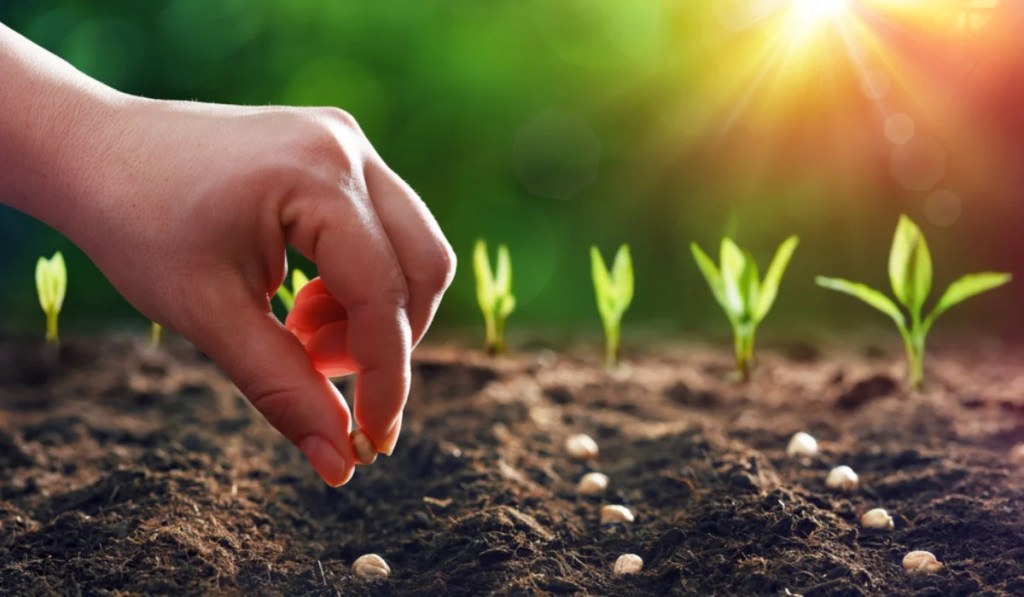
As the title suggests, this post is about seeds. Calling my project a seedbank may be a little ambitious (its more like a list), but hopefully one day this list will develop into something more elaborate and complete. For now, this is where we shall begin.
Winter has arrived, which is the motivating factor in this project. The time for growing is past, and we now have time to reflect and plan for the next season. I have yet to work out exactly where I will garden in my new home, but this will not deter me from planning and preparing for the coming spring. As a newcomer to a very different climate I have allot to learn and “time is a wasting” as they say.
A seed list is my starting point. This is a compilation of the edible plants that I personally like to grow and consume. Over time the list may evolve based on principles like permaculture, and evolving standards in regenerative farming and organic standards. Symbiotic relationships (companion plants) are considered, but not a priority at this point.
Although this list takes into consideration my local growing conditions, it is also a good all-purpose collection that I feel would be suitable regardless of my location, and it contains a variety of foods that I would like to keep on hand in the unlikely event that I find myself in an emergency situation.
The vegetables listed are all plants that I have practical experience growing under much harsher conditions on the Prairies. It is my “opinion” that if it can grow on the prairies, it can grow in my new home, provided that I care for the plants properly of course.
Notes on selection preference:
I enjoy seed saving as a part of my gardening experiences, so my preference will always be for open pollinators. Of equal importance to me is exclusion of GMO crops in favor of heirloom and certified organic varieties. In the spring of 2024 I will finish my horticultural training with a course on propagation, further informing these choices in the future.
Lastly I will focus on varieties and cultivars that are locally available. Ideally I want to be able to go to a physical location and purchase my seeds from a local company. Not only does it support the community, but such growers are a wealth of hard earned knowledge on what the ideal varieties and cultivars are for this region.
For the time being I am not going to share the exact varieties I choose, as they are location specific to some degree, and I would like hands on experience before I make any kind of endorsement. Instead my list will provide a general outline of what I am looking for, while leaving specific varieties open ended.
Seed List:
- Beans: two varieties
- Bush Beans
- Pole Beans
- Beets
- Carrots
- Cucumber
- Lettuce: two varieties
- A blade mix (often called spring mix)
- Head lettuce (Iceburg etc…)
- Onion: two varietes
- Red
- White/yellow
- Peas: two varieties
- Snap peas
- Pod peas (pods removed in processing)
- Peppers: two varieites
- Sweet bell
- Hot (jalapeno, serrano)
- Potatoes: two varieites
- Red
- white/russet
- Spinach
- Squash: two types
- Butternut
- Zucchini
- Tomato: three types
- Early producing (eg. Brandywine)
- Late producing (eg. Manitoba)
- Cherry
As you may well see, this is not at all an exhaustive list. There is room to add all manner kinds of different options based upon personal preference and needs. In fact, I believe that I may continue on to a second post which goes a little further into other plants that I would want to have in my collection. This includes things like culinary herbs, medicinal plants, and species that either attract of repel insects and animals.
Until next time, Be wild!
References:
Image source: https://housing.com/news/how-does-sowing-work/
 The Wild
Leave a comment