Why Does Global Famine Keep Popping Up in My Feed?
Puns aside, I’ve noticed that term appearing with increasing frequency. Is it my algorithm, or is there a genuine reason people seem to be talking about it more?
This is not a social media story
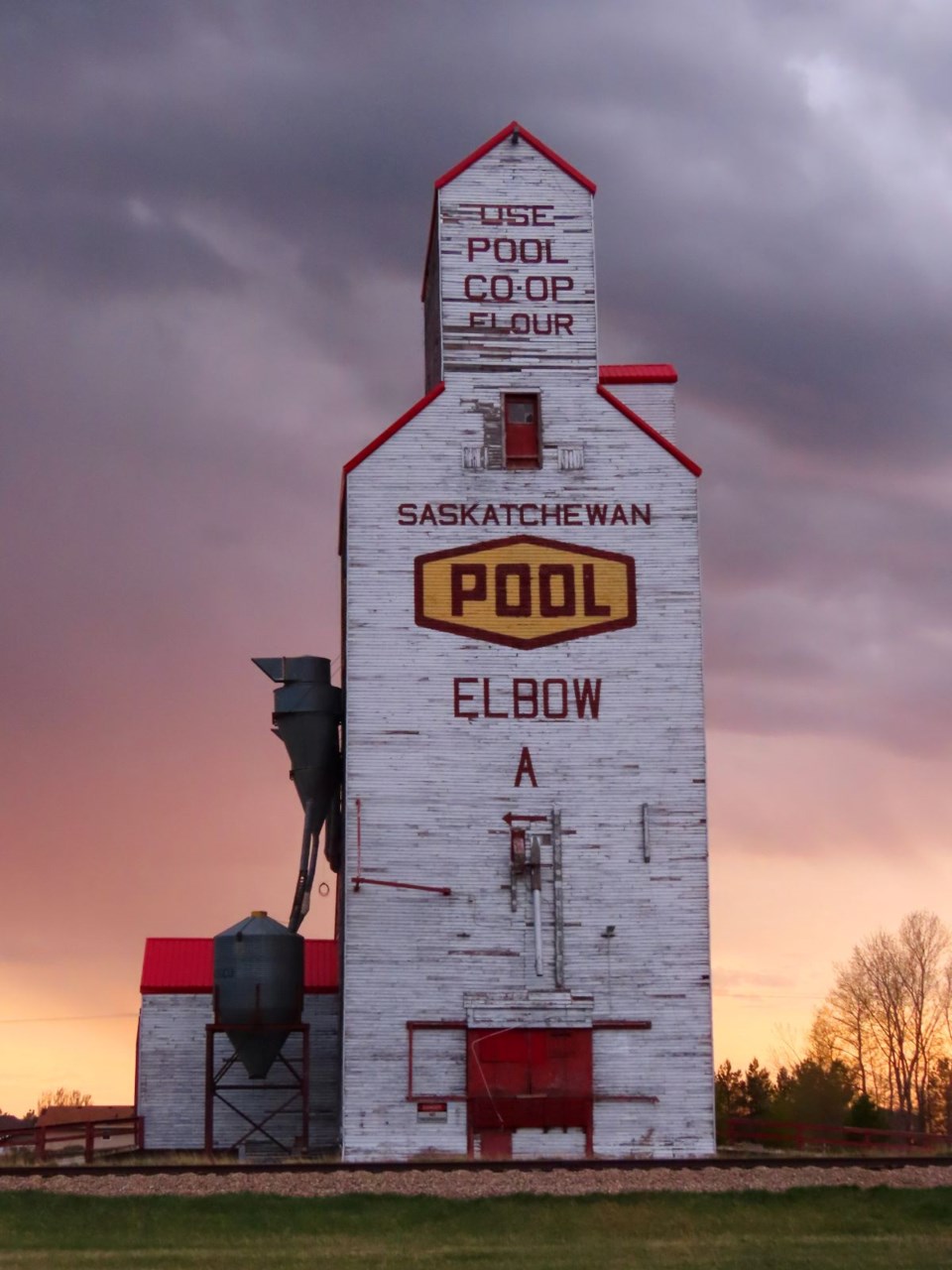
At work today I scanned into a small-town radio station as I was passing through. Being out on the prairies, they had a short report on crop production — pretty standard fare in agricultural communities.
The report flagged a significant reduction in winter wheat yields. According to current models, projected output is down 25%. The primary cause is the ongoing drought, though loss of arable land and increasingly volatile weather (climate change?) were also listed as contributing factors.
This doesn’t mean we’re facing famine, of course. It was simply an interesting local angle on a larger concern that seems to be quietly gaining momentum.
Could a famine be possible?
Sure. There are many factors that could contribute to a famine. A breakdown of the global economic system, failure or slowing of transportation and distribution networks. The loss of arable land, through repurposing or by mechanism like prolonged war or environmental disaster, or even the devastation of the agricultural workforce.
But wait — technology will save us, right?
So far… yes.
But let me tell you about a favorite figure from my days as a college student: Thomas Robert Malthus. You can read more about him here. He was a was an English economist, cleric, and scholar influential in the fields of political economics and demography.
What stuck with me most was his insistence that the world was heading toward a population crisis — that the earth would eventually reach its carrying capacity, the point at which it could no longer produce enough food for a constantly expanding population.
We were taught that the Malthusians were ultimately proven wrong by a succession of scientific interventions: first the mechanization of farm labor, then synthetic fertilizers, then the Green Revolution, and finally genetic manipulation.
As befitting an institution devoted to the elevation of science, the lesson was that technology had continually outpaced Malthus, and that through our ingenious capacity to solve problems, we had more or less conquered nature.
I’m not sure why, but I was always something of a Malthusian sympathizer. Unlike most of my peers, I didn’t believe we had solved the problem with our clever inventions. I thought we had simply delayed it.
So let me put it plainly: I think Malthus was just a couple of centuries ahead of his time.
But that is me…
Whatever you believe about the state of food and agriculture in our globe-spanning civilization, I’d like to offer a suggestion: start gardening. At minimum, do it in your yard, on your balcony, or on a rooftop. If you can, get more space — and instead of investing in a system that relies on mechanized, chemical-laden, gene-modified technology, consider learning about permaculture and natural organic methods.
My Situation
I began my own work this week. The first bed is almost ready for salad greens and carrots. The seed potatoes arrived a few days ago, and the self irrigated planters (SIP) are well under way. We are expanding from six SIP planters to a total of 12 this year. The planters have proven highly effective at growing nightshades, and this year we will expand into legumes.
Now get out there and grow something!
Reference:
Main Image: https://www.sasktoday.ca/central/outlook/village-of-elbow-to-host-special-grain-elevator-concert-8757340 (Derek Ruttle)
 The Wild
Leave a comment